

![[Section Divider Image]](https://substackcdn.com/image/fetch/$s_!2DI2!,f_auto,q_auto:good,fl_progressive:steep/https%3A%2F%2Fsubstack-post-media.s3.amazonaws.com%2Fpublic%2Fimages%2Fa18b6921-efc9-4671-9348-9d2e94b4efac_1320x50.webp "[Section Divider Image]")
THINK
I want to start with a small experiment. Think of the worst thing anyone has ever said to you. Not done. Said.
I’ll bet you didn’t have to think very long. I’ll also bet that whoever said it has no memory of saying it. It cost them nothing. It was a sentence, maybe less, tossed off in a hallway or a kitchen or a car, and then they went on with their day. You, on the other hand, have been carrying it around for ten or twenty or forty years, and you can still hear the exact tone of voice.
That asymmetry is the subject of this piece.
Words are the cheapest thing any of us owns. We produce them by the thousand, every day, for free, usually without much thought, and they turn out to be the most expensive thing we will ever give or receive.
We were all taught a rhyme as children.
“Sticks and stones may break my bones, but words will never hurt me.”
It is a lovely thing to teach a seven-year-old who is getting picked on at recess, and it is also one of the most thoroughly false sentences in the English language.
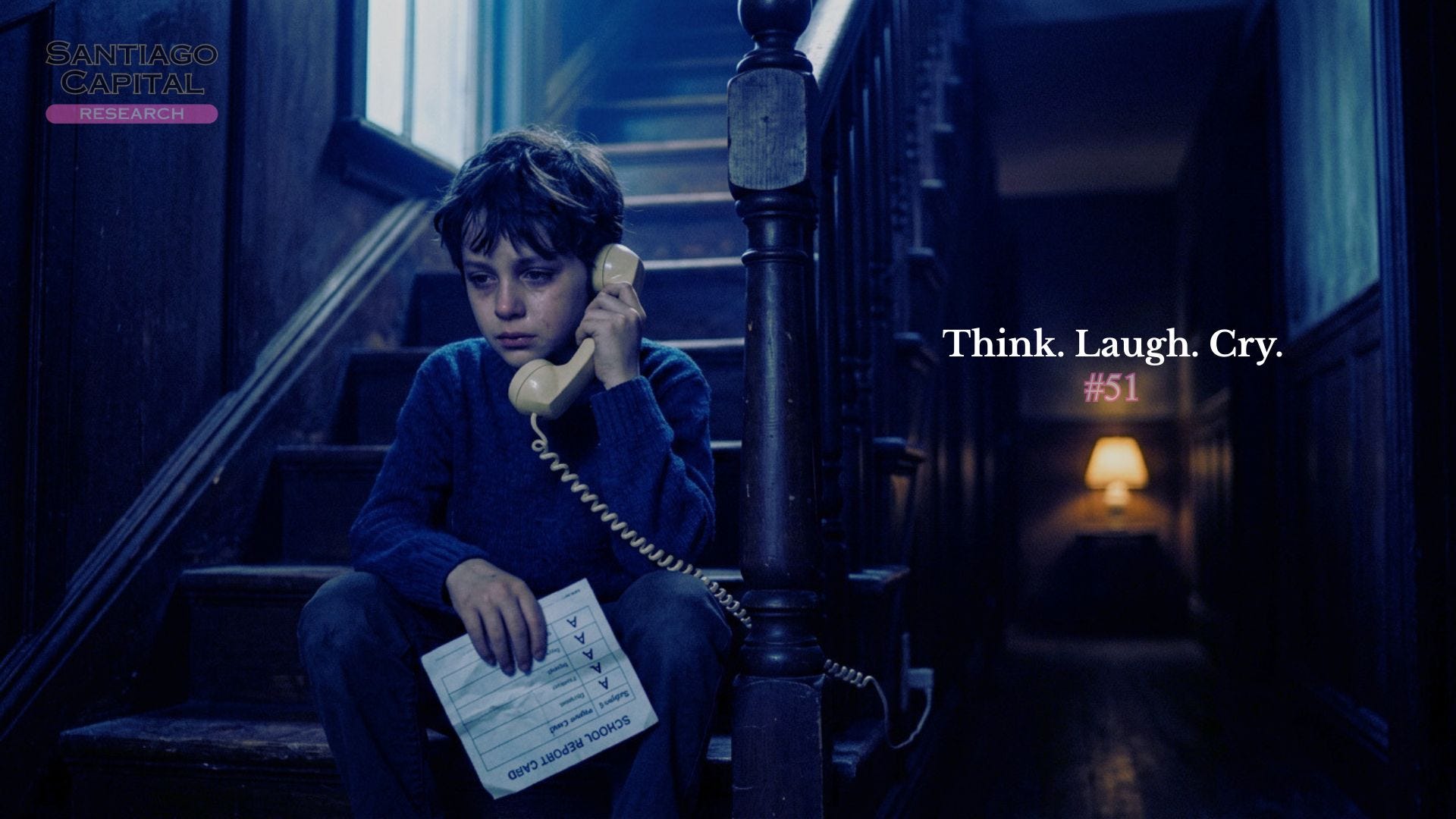
The broken bone heals in six weeks. Ask anyone over forty what they are still carrying from childhood and it is almost never a bone. It is a line. Something a father said about their chances. Something a teacher said in front of the class. Something a coach said under his breath that he probably forgot before he got to the parking lot.
The old cultures seem to have understood this better than we do. In Genesis, the world is not built or forged or assembled. It is spoken. Let there be light, and there was light. The Hebrew writers chose that verb on purpose. They had watched kings and fathers and prophets reshape the world by opening their mouths, and they concluded that speech was the nearest thing a human being had to the power of creation. The Greeks, who wrote the rulebook for half of what we still think, gave the word logos a double meaning. It meant word, and it also meant reason, the ordering principle of the whole universe. For them those were not two ideas. They were one.
Somewhere between then and now we decided words were light. Talk is cheap. Actions speak louder. Put your money where your mouth is. Every one of those sayings is a small vote for the proposition that the thing coming out of your mouth doesn’t count.
I think the people who coined those phrases were lucky. I think they must have grown up around people who used words carefully, so carefully that they never noticed the words were doing anything at all.
In August of 2015, in a ballroom at Caesars Palace in Las Vegas, a security engineer from Saudi Arabia named Mohammed Qahtani walked onto a stage in front of about 2,500 people and lit a cigarette. He was there to compete in the final round of the Toastmasters World Championship of Public Speaking, which sounds like a small thing until you learn that it started with roughly 30,000 contestants and took six months to whittle down to ten.
Here is the detail that matters. Qahtani did not speak his first word until he was six years old. He grew up with a stutter severe enough that he was the joke of his school. He joined Toastmasters in 2009, not to win anything, but because a friend thought it might help him get through a sentence. Six years later he was the last man standing in the largest public speaking contest on earth, and the speech he chose to give was about the power of words.
It is seven minutes long, and I’d ask you to watch it before you read the rest of this. The first half will make you laugh. The second half will not.